


 Edible bird’s nests are bird’s nests created by swiftlets using solidified saliva, which are harvested for human consumption. They are particularly prized in Chinese culture due to their rarity, and supposedly high nutritional value and exquisite flavour. These nests, often found clinging to the ceilings of caves as high as two hundred feet, are built by both parents expressly for raising their young. When the hatchlings are ready to fly off, the nests, found in many coastal caves of South East Asia including Borneo, Malaysia, Indonesia, Thailand, and Vietnam, are then abandoned.
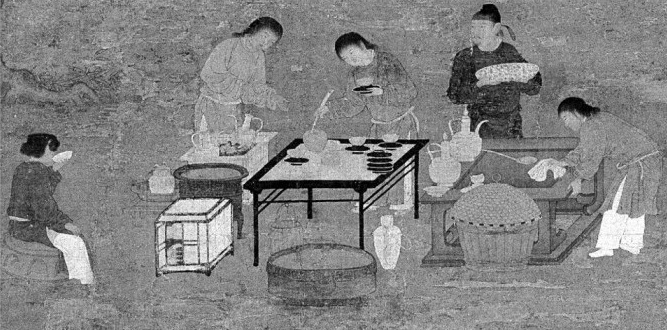
The history of bird’s nest consumption can be traced back to China nearly 1,500 years ago during the Tang Dynasty period (A.D. 618-907). It was believed that bird’s nest had been brought back from ‘Nan Yang’ / the southern countries, by Chinese sailors, and introduced to the courts of the China’s Emperor as a supreme delicacy (food of the Emperor). During that era, only families of the Emperor and his court officials had the privilege of consuming the highly priced bird’s nest. It was only at the end of the Emperor’s rule, that the common people were introduced to bird’s nest. The value and demand for bird’s nest has since continued to climb due to its rarity and nutritional properties.